|
Summary:
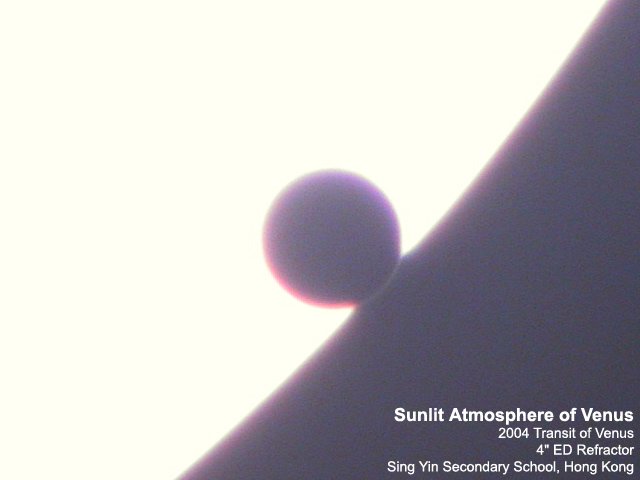
Every 120 years or so a dark spot glides
across the Sun. Small, inky-black, almost
perfectly circular, it's no ordinary sunspot.
Not everyone can see it, but some who
do get the strangest feeling, of standing,
toes curled in the damp sand, on the beach
of a South Pacific isle.... Get the full
story from Science@NASA.
Page
1 | Page
2 | Page
3 | Page
4 | Page
5 | Page
6 | Page
7 | Page
8 | Page
9 | Page
10 | Page
11 | This is Page 12
| Page
13
| Page
14
| Page
15
Unless otherwise stated, all images
are copyrighted by the photographers.
|
| |
Photographer,
Location |
Images |
Comments |
|
|
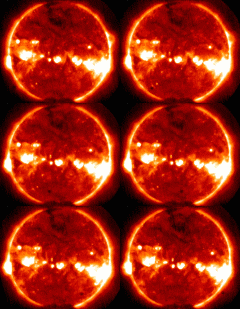
NOAA's
Soft X-ray Imager (SXI),
Earth Orbit
Jun. 08, 2004 |
still
image
movies: gif
or mpeg,
more |
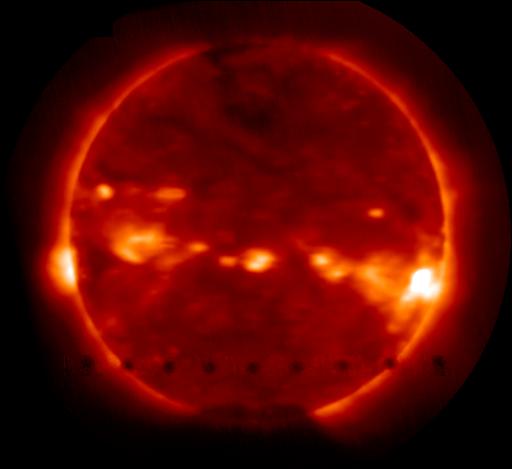
For
the first time in history, astronomers observed
an X-ray transit of Venus across the Sun.
Click here
for more information about NOAA's Soft X-ray
Imager, onboard the GOES 12 satellite. |
|
|
Michel
Benvenuto,
Col de Braus, 30 miles from Nice, South of
France, 3000 ft.
Jun. 08 |
#1,
#2,
#3,
#4,
more |
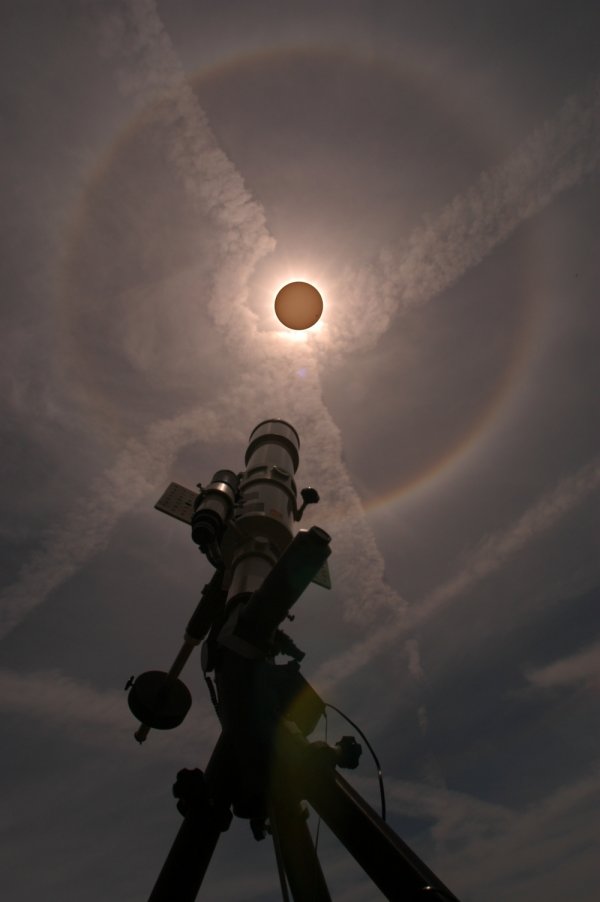
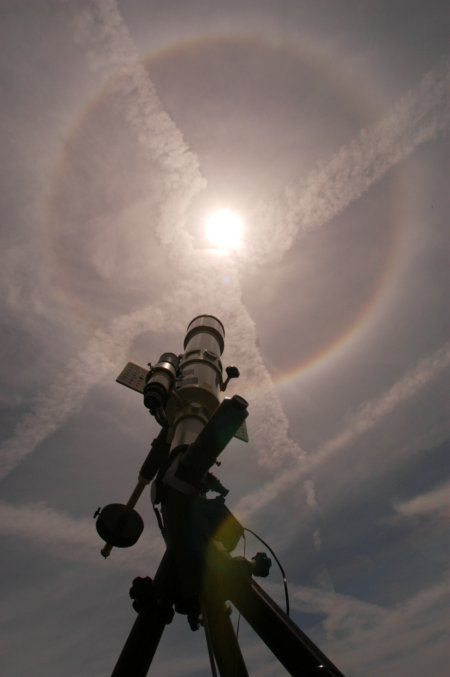
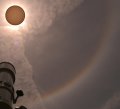
During
mid-transit we got an unexpected bonus,
a full 22 solar halo thanks to the high
altitude ice crystals which were preventing
us from taking sharp pictures of the Transit.
This picture
is a realtime composite of tiny Venus and
the halo. What a show for the Astro Biniou
Club!" |
|
|
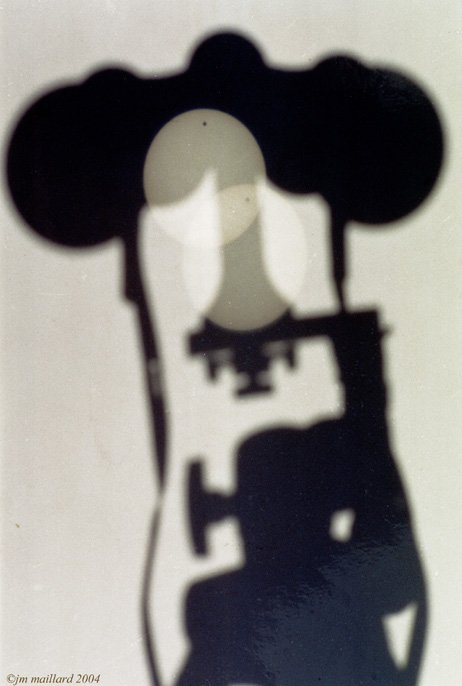
Jean-Marie
Maillard,
Nandrin, Belgium
Jun. 08 |
#1,
#2, more |
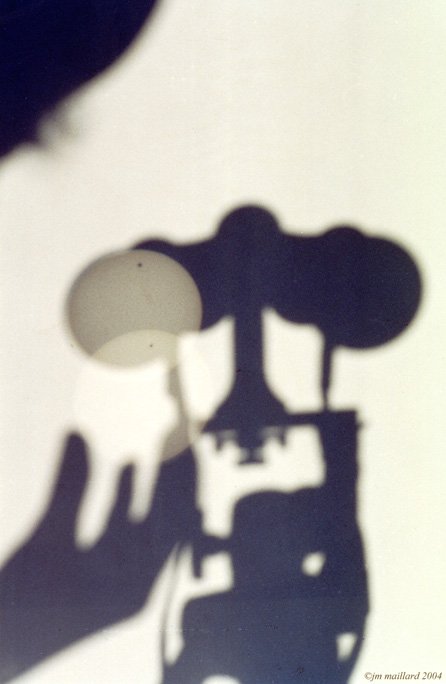
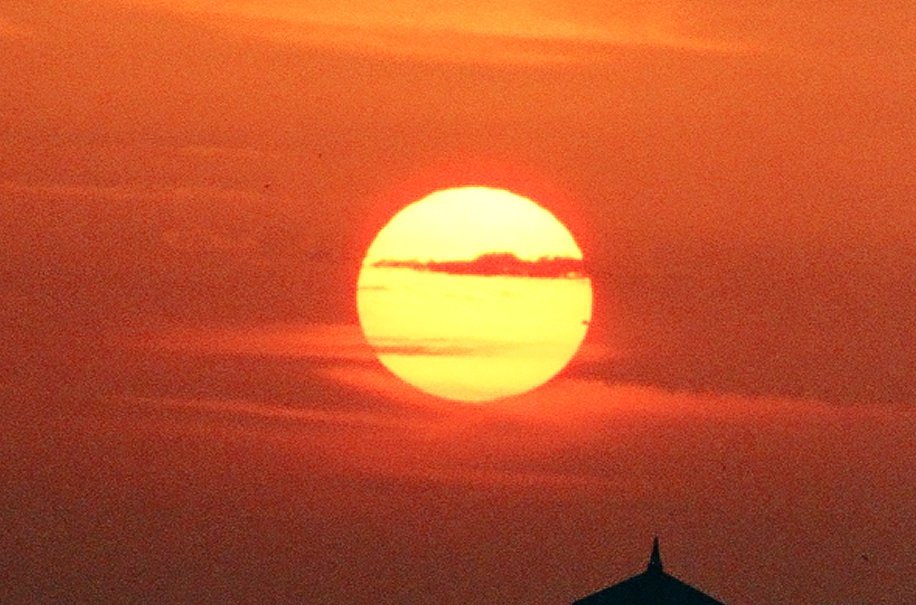
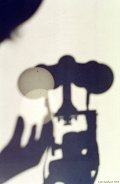
'The
intrepid Venus in front of the all-powerful
Sun'. 10 inches Newtonian scope f/d 6.6
of the 'Société Astronomique de Ličge',
Kodak Gold 100 ; projection through binoculars
on Kodak Gold 200 with 105mm telephoto lens
|
|
|
Ralf
Stoeckeler,
Glen Innes, New South Wales, Australia
Jun. 08 |
#1 |
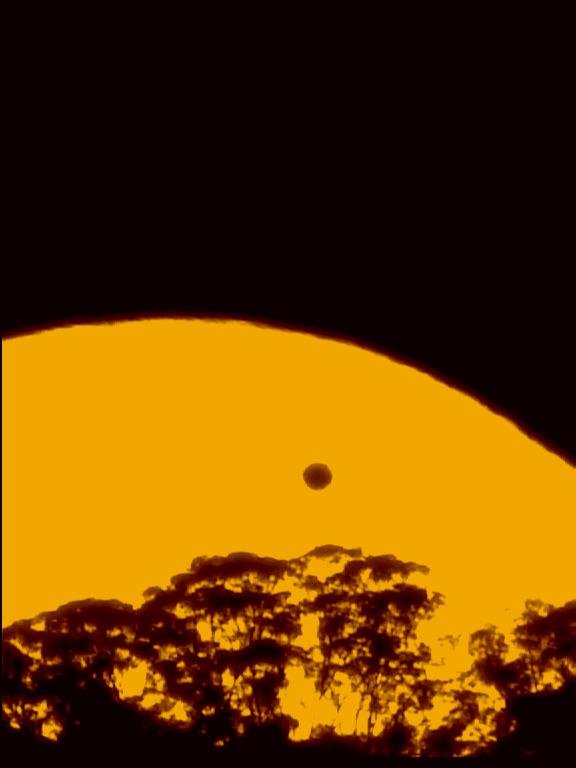
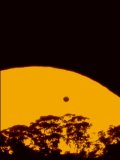
The
gum trees silhouetted in the foreground
add to the majesty of the scene. Photo details:
single frame extracted from a Stellacam
Ex video camera recorded to Panasonic camcorder
from a 100mm refractor with a mylar solar
filter. Image coloured using Irfanview shareware.
|
|

|
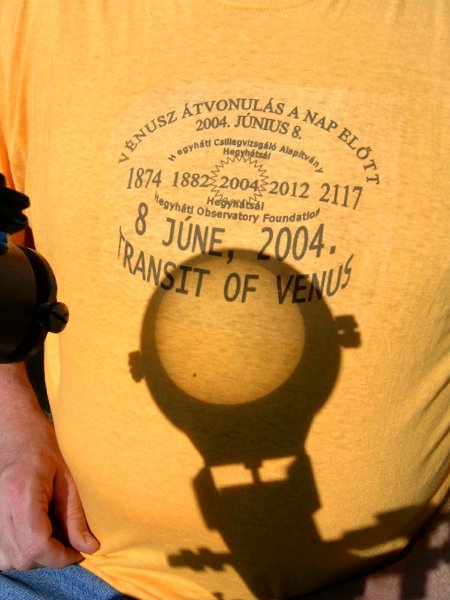
Vince
Tuboly,
Hegyhátsál, Hungary
Jun. 08 |
#1,
#2, #3,
#4, more |
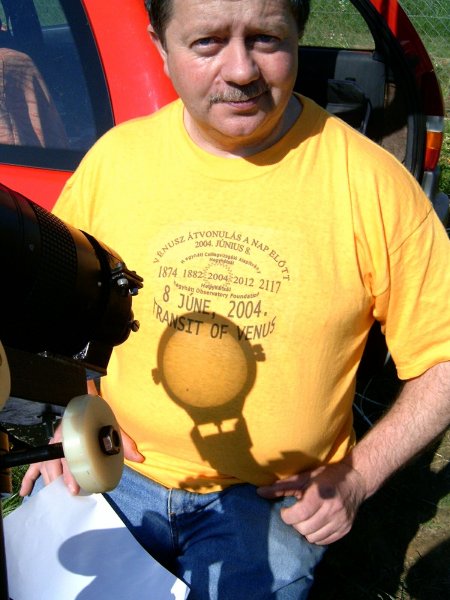
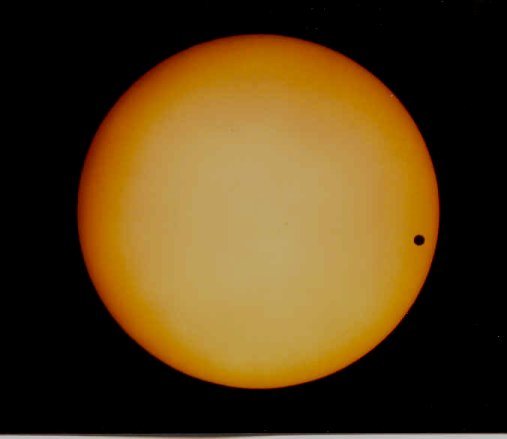
127/1200
Fraunhofer refractor, 100x, HP Photosmart
635 digital Camera |
|
|
Robert
B Slobins,
Mount Greylock, MA, USA
Jun. 08 |
#1,
|
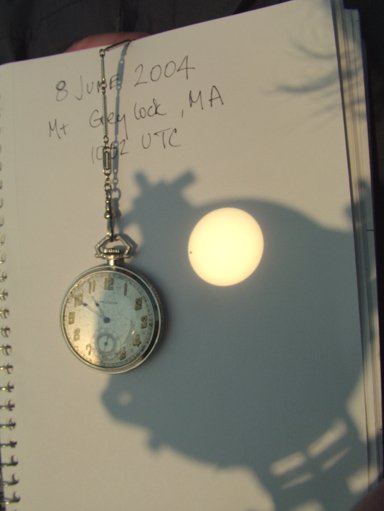
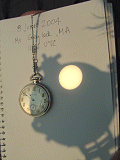
Between
performing the usual tasks of photographing
the transit in white and H-alpha light,
I decided to do this still life. As best
as I can determine, my grandfather was born
within a week of the 1882 transit. Therefore,
I brought along his watch, set to UTC and
placed it adjacent to the projected image
of the transit. (Thanks to 'Barlow Bob'
Godfrey and Phil Meuse for their help with
this image.) |
|

|
Jim
Zanardi,
Roof of Crane Observatory at Washburn University,
Topeka, Kansas
Jun. 08 |
#1,
#2 |
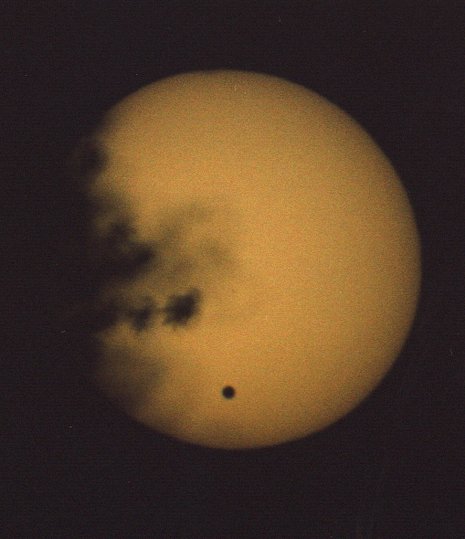
300mm
telephoto lens; 200 asa film; 1/500 sec.,
f/8, no filter, the clouds were so thick
that a filter obscured the sun. |
|
|
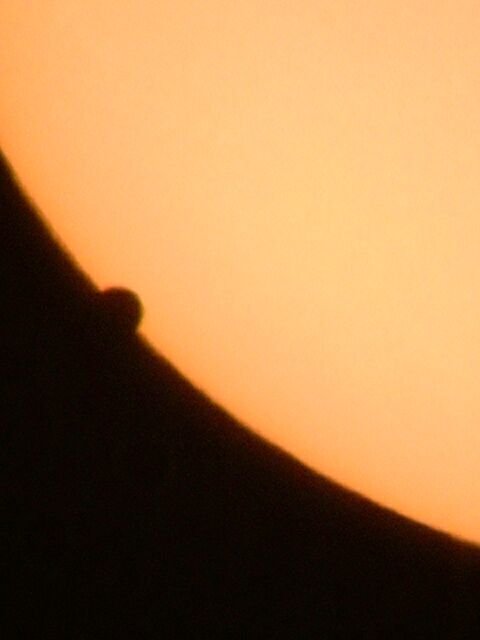
Ralf
Vandebergh,
The Netherlands
Jun. 08 |
#1,
#2 |
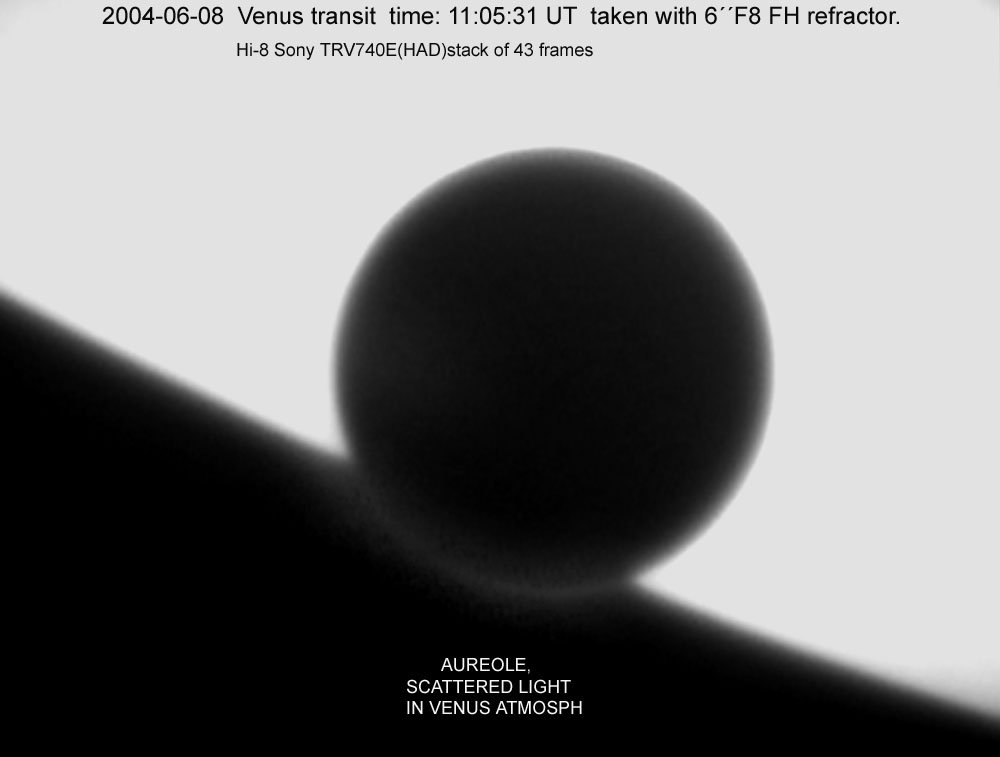
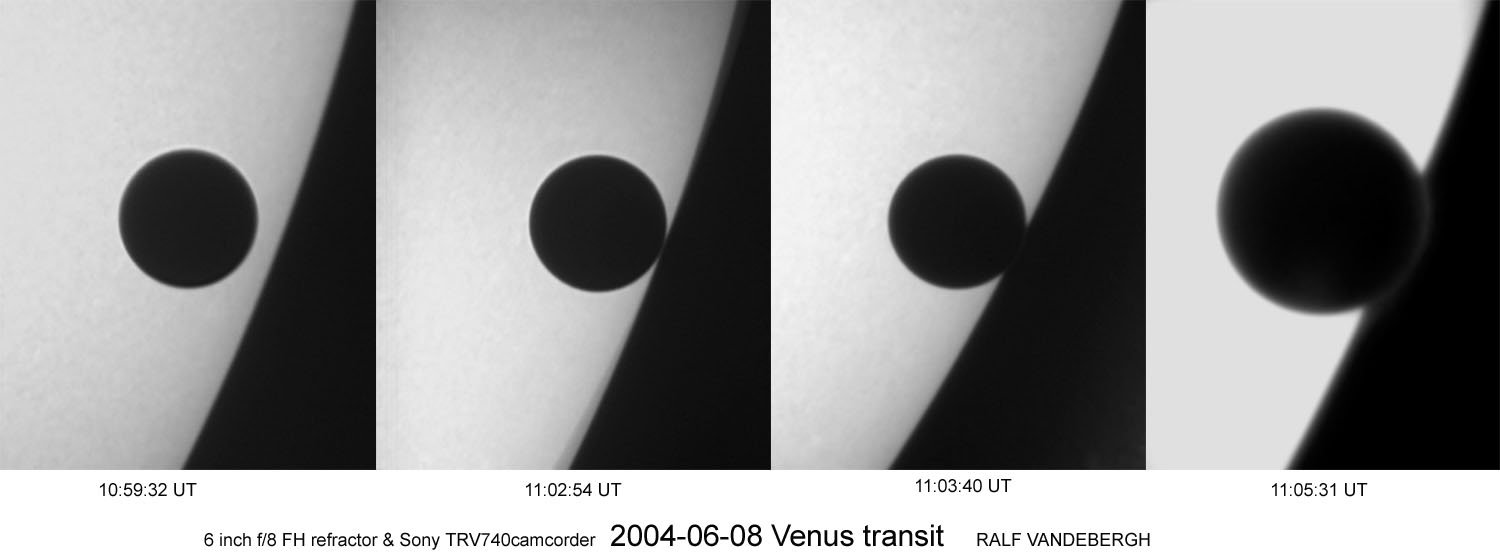
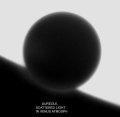
These
images show the effect called Aureole (refracted
light in the upper atmosphere of Venus).
I was surprised how easy it was to see visually
through the eyepiece of my scope. All the
images were taken with a 6 inch f8 Fraunhofer
(doublet) refractor and a herschel wedge
solar filter, using green and yellow filters.
Captured with a Sony TRV740E videocamera
and stacks of multiple single frames. |
|
|
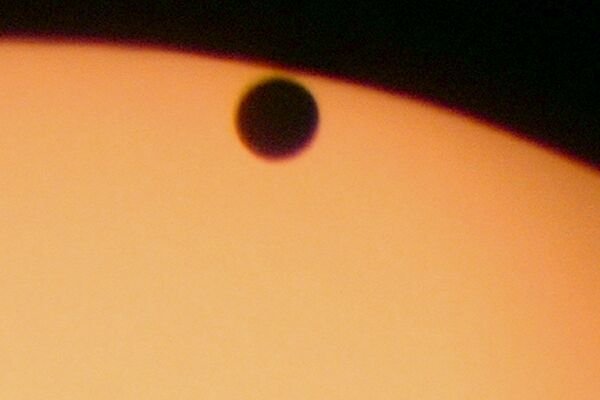
Gene
Henderson,
Pittsburgh, PA, USA
Jun. 08 |
#1 |
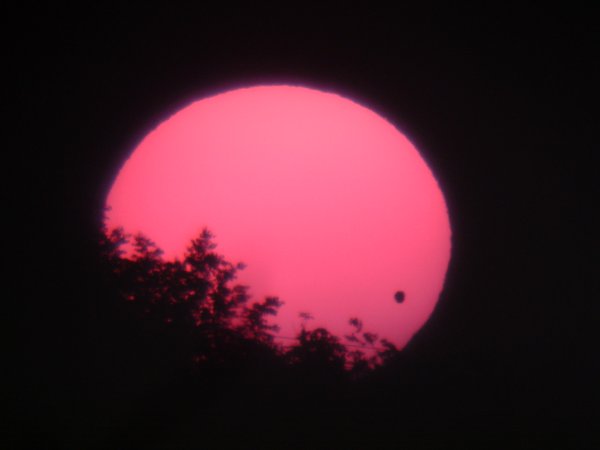
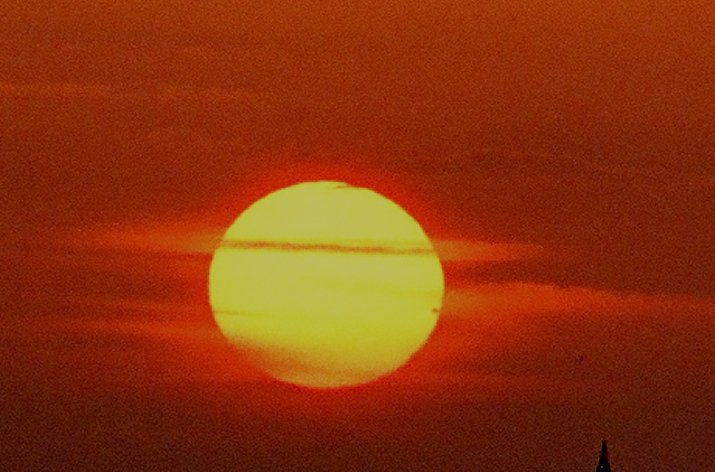
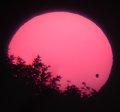
I
could see the tiny dot of Venus on the red
sun naked eye. The haze made it also possible
for me to snap photos like this one through
the eyepiece of my 3 1/2' refractor using
a 3.2mp digital camera. |
back to spaceweather.com
|
|