|
Summary:
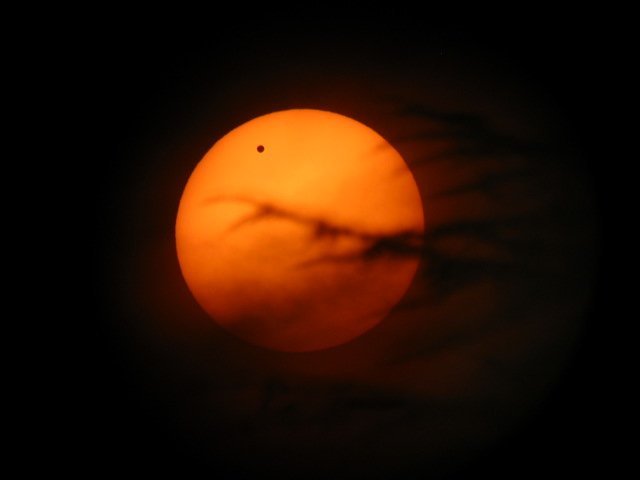
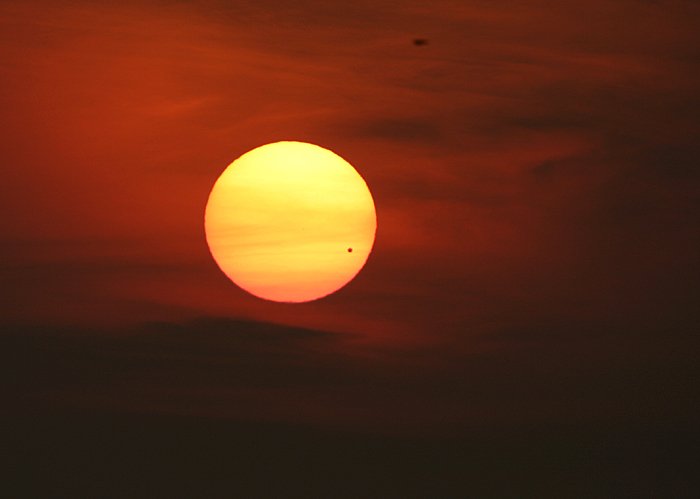
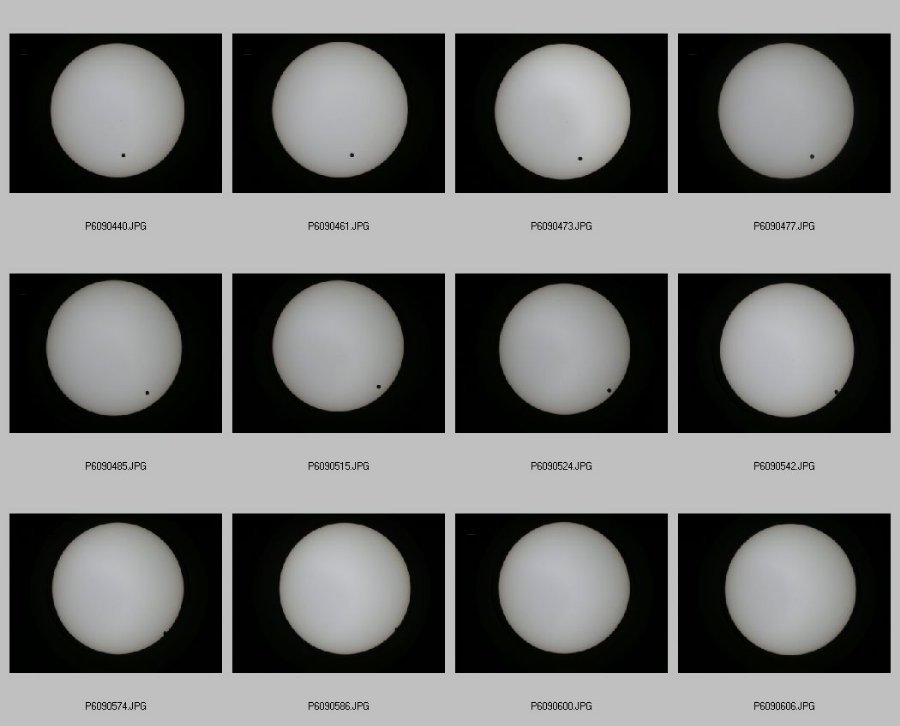
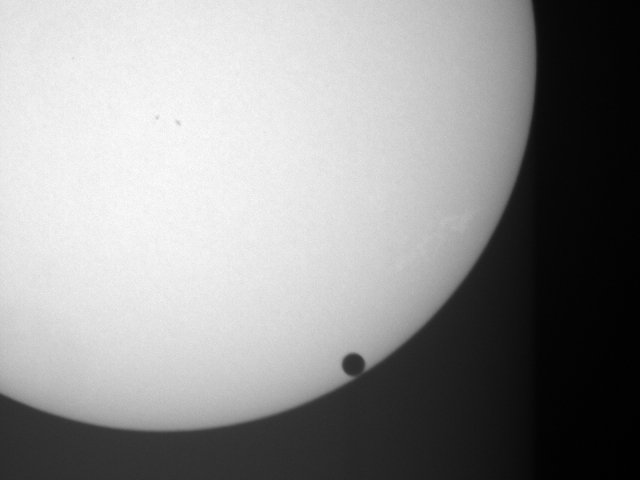
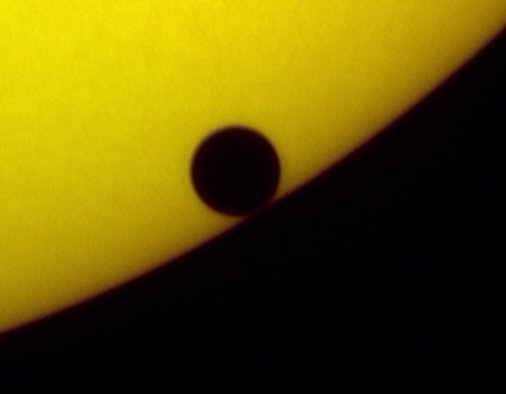
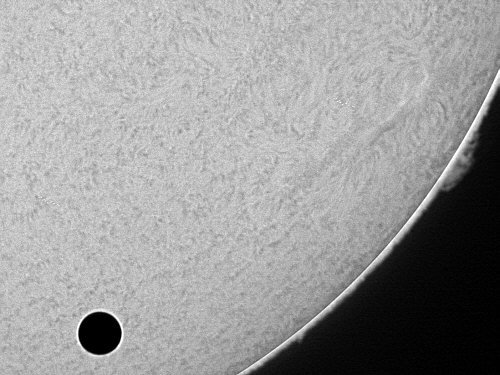
Every 120 years or so a dark spot glides
across the Sun. Small, inky-black, almost
perfectly circular, it's no ordinary sunspot.
Not everyone can see it, but some who do
get the strangest feeling, of standing,
toes curled in the damp sand, on the beach
of a South Pacific isle.... Get the full
story from Science@NASA.
Page
1 | Page
2 | Page
3 | Page
4 | Page
5 | Page
6 | Page
7 | Page
8 | Page
9 | Page
10 | This is Page 11
| Page
12
| Page
13
| Page
14
| Page
15
Unless otherwise stated, all images are
copyrighted by the photographers.
|
| |
Photographer,
Location |
Images |
Comments |
|
|
Mick
Deckman,
Parker City, Indiana
Jun. 08, 2004 |
#1,
#2, #3 |
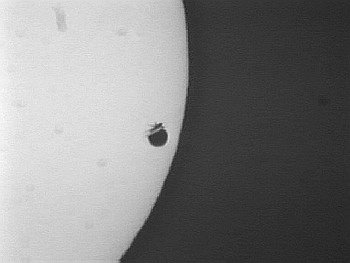
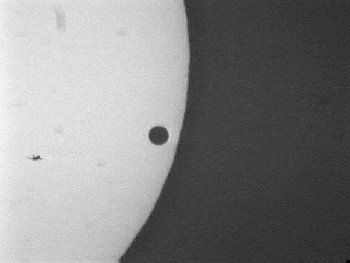
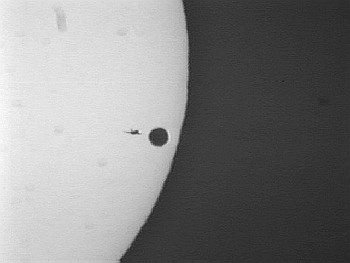
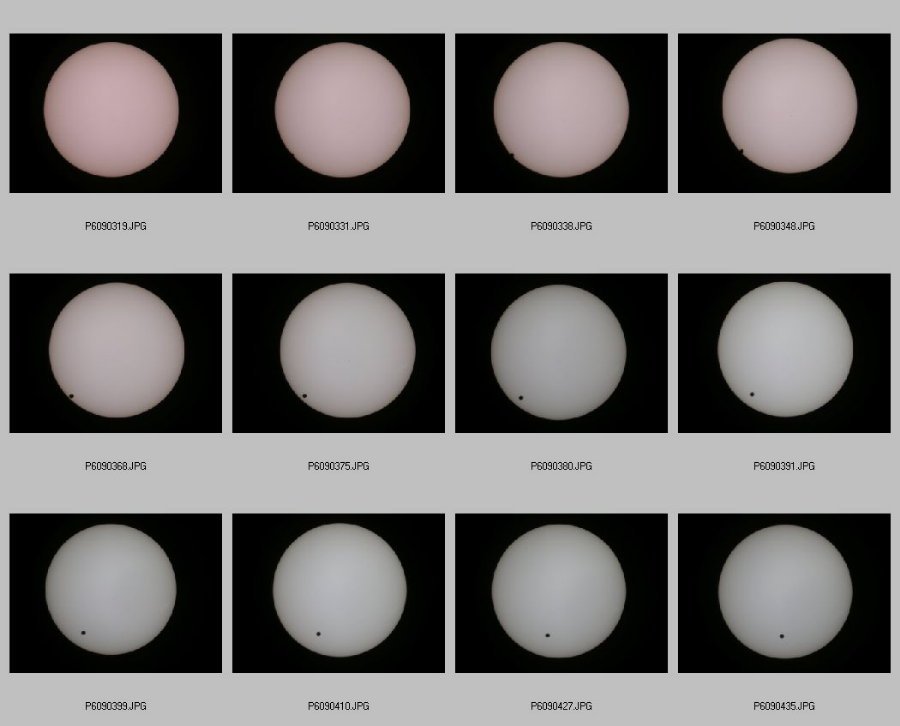
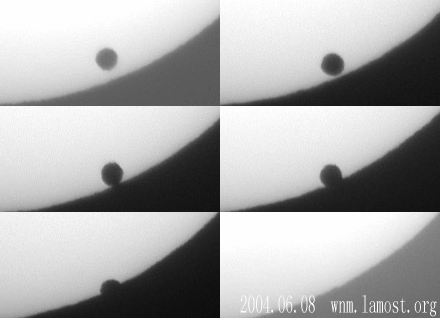
Video
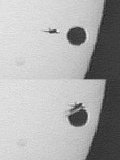
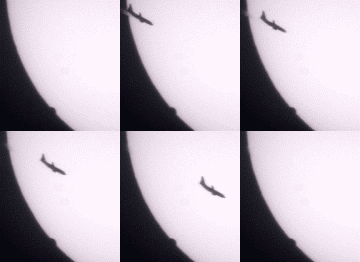
through a 6-inch reflector. I have a jet in
my 1999 Mercury transit video. But also getting
one in my Venus transit was unbelievable.
But what are the odds of getting a jet to
transit Venus? |
|
|
Stephane
Palfray,
Turretot, Normandie, France
Jun. 08 |
#1,
more |
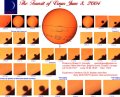
webcam
+ T 114/900 |
|
|
Shawn
Connelly,
Bright's Grove, Ontario
Jun. 08 |
#1 |
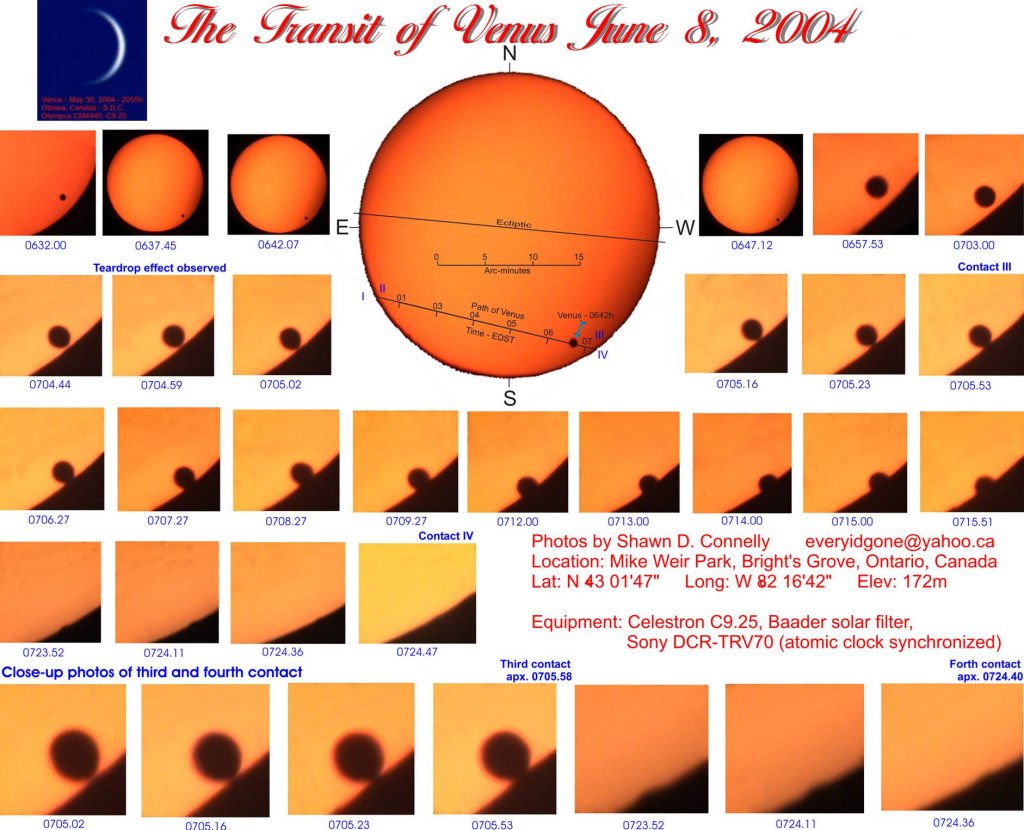
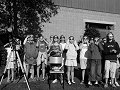
Celestron
C9.25, Sony video camera - more details in
photo |
|
|
Bruno
Nolf,
Vichte-Belgium
Jun. 08 |
#1,
#2, #3,
#4, more |
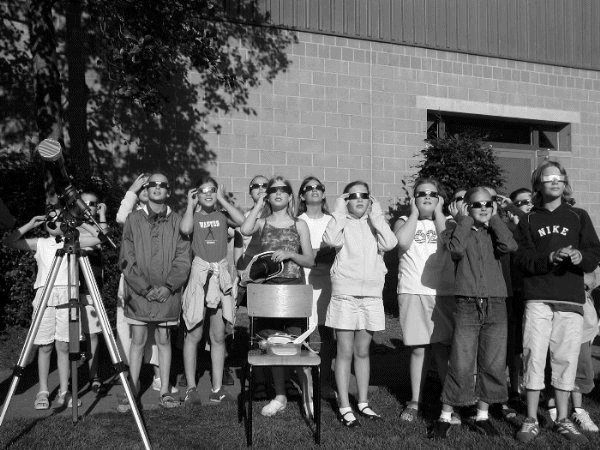
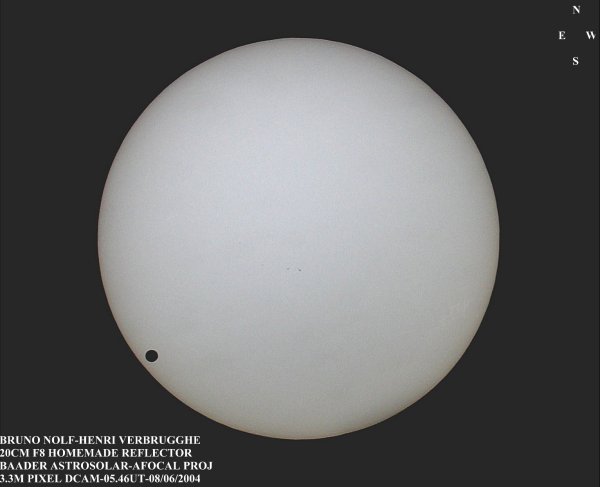
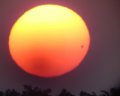
Good
conditions from beginning to end of the Transit,
good vibe, good BBQ afterparty. No black drop
seen by any of the nine observers present
at the site. Lots of fun! |
|
|
Terry
Quick,
Merrillville Community Planetarium at Pierce
Middle School, Merrillville, Indiana, USA.
Jun. 08 |
#1,
|
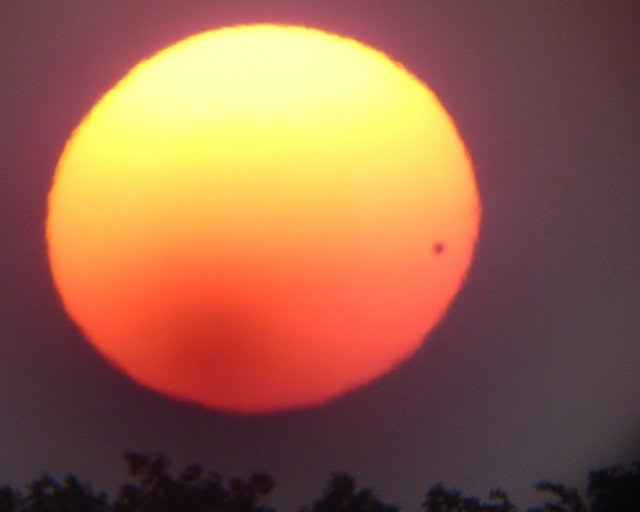
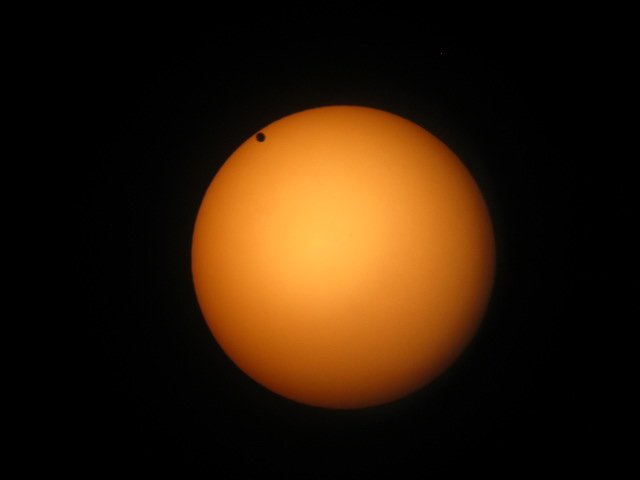
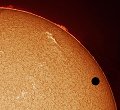
This
image was taken shortly after sunrise. You
could look at the sun without any filters
and pick out Venus with the naked eye. The
image was taken with a Sony DSC-P92 digital
camera mated to a 25mm Plossl then a Celestron
114GT, exposure was automatic. |
|
|
Stefan
Seip,
Stuttgart, Germany
Jun. 08 |
#1,
#2, #3,
more |
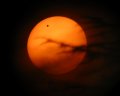
(#1)
Date + Time: June 8, 2004 / 11:05:48 UT and
11:06:20 Location: Stuttgart, Germany Optics:
Astro-Physics 155mm f/7 Tools: Baader-Planetarium
Herschel Wedge with grey filters 1000x, 64x
and 8x, Astro-Physics 2x Barlow Detector:
SBIG STL 11000XM with SBIG RGB filterset Exposure
Time(s): 0.05 seconds and 1 second, both with
red filter in place Notes: The atmosphere
of Venus is visible. I combined two frames
to show the surface of the sun as well as
the Venus atmoshpere. 2.
(#2,
#3) Date + Time: June 8, 2004 / 10:47 UT Location:
Stuttgart, Germany Optics: TMB 100mm f/8 Apo
Refraktor Tools: Coronado Solarmax 90 with
BF-30 H-Alpha filter, Astro-Physics 2x Barlow
Medium: SBIG STL 11000XM with SBIG RGB filterset
Exposure Time: L: 1x 0.01 seconds (1x1 binning) |
|
|
Jan
Barker,
Melbourne, Australia
Jun. 08 |
#1,
#2 |
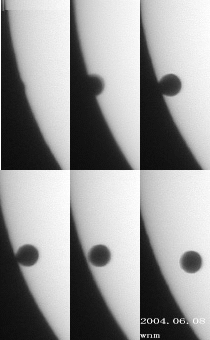
Canon
Powershot S30;eyepiece projection to Celestron
C5 with a solar filter. |
|
|
Wang
Ning Min,
Yinchuan,Ningxia,China.
Jun. 08 |
#1,
#2, more |
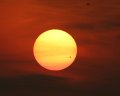
127/820Refractor,
Nikon 995, pl25EP. |
|
|
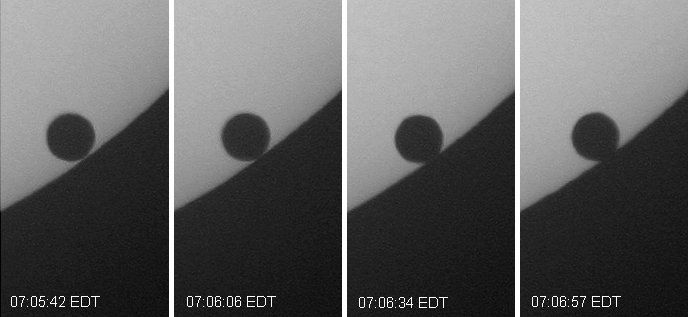
Ed
Cunnius,
Rehoboth Beach, Delaware.
Jun. 08 |
#1,
#2 |
Transit_sunrise:
5:51 am EDT The sun had just cleared the cloudbank
on the horizon--the transit was easy naked-eye
at this point. Unfiltered shot with Canon
EOS 10D through TV-76 with 2x PowerMate. 1/1000sec.
@ f 12.6 ISO 100. 3rd_Contact: Starting at
7:05 am EDT. Canon EOS 10D through AP 105mm
Traveler with 2x PowerMate and Baader solar
filter. 1/90sec. @ f 11.8 ISO 400. These are
full-res crops from original 2048x3072 pixel
image. Montage in PhotoShop. |
back to spaceweather.com
|
|