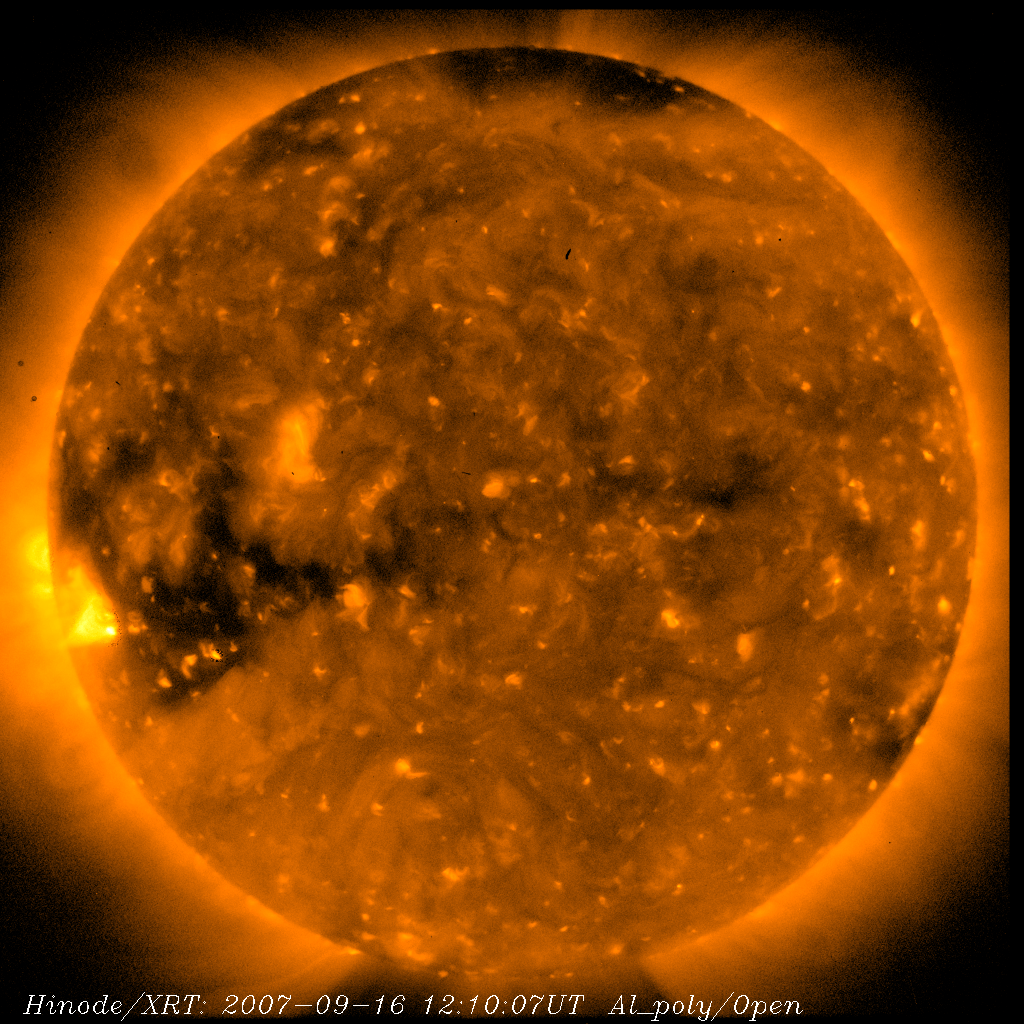
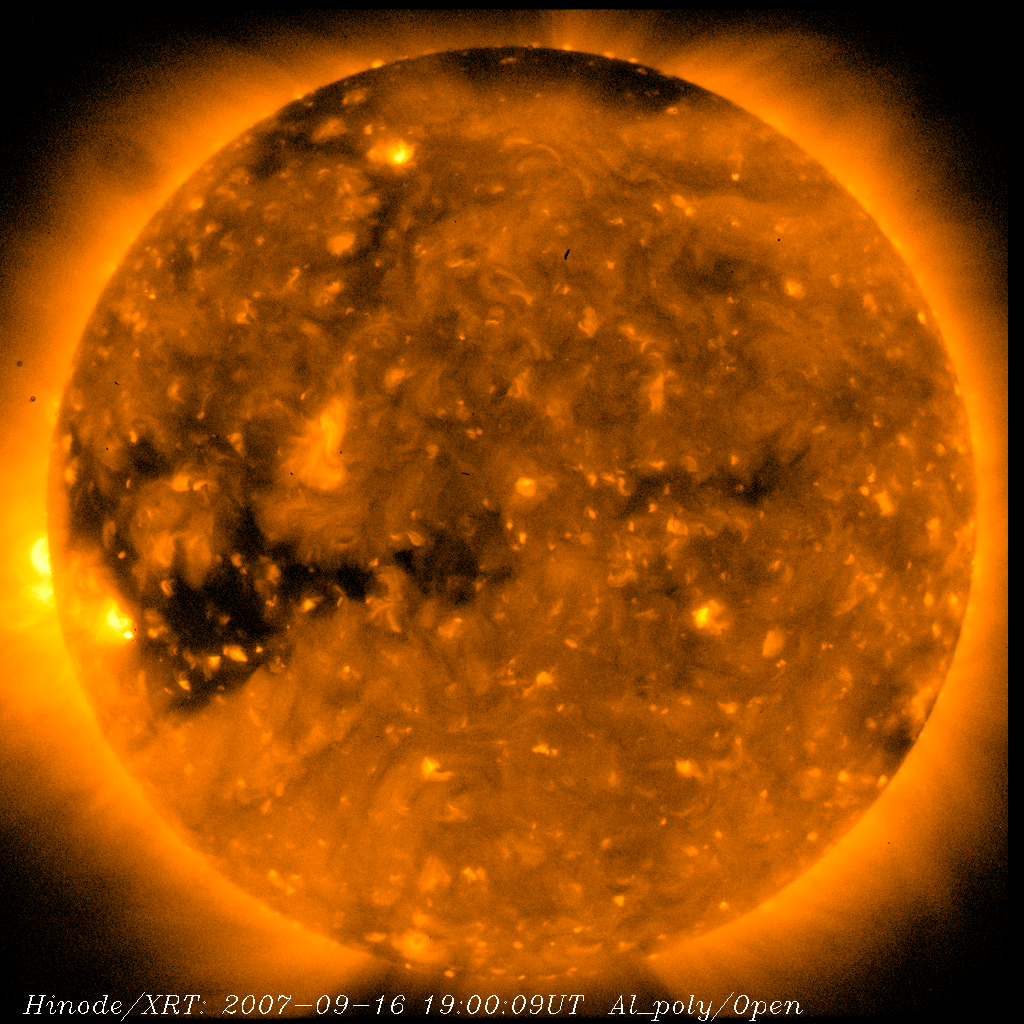
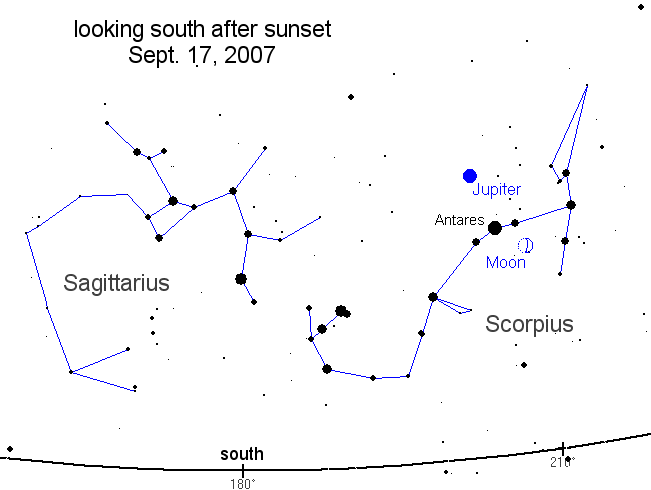
Where's Saturn? Is that a UFO--or the ISS? What's the name of that star? Get the answers from mySKY--a fun new astronomy helper from Meade. . Where's Saturn? Is that a UFO--or the ISS? What's the name of that star? Get the answers from mySKY--a fun new astronomy helper from Meade. . BRIGHT THREESOME: When the sun goes down tonight, step outside and look south. Jupiter, a fat crescent Moon and the red giant star Antares are gathered together in the constellation Scorpius. The three are bright enough to see even from light polluted cities. Take a look: sky map. AURORA WATCH: Japan's Hinode spacecraft is monitoring a gaping hole in the sun's atmosphere--a "coronal hole"--that is spewing solar wind into space. It is the enormous black gash in this image from Hinode's onboard x-ray telescope: 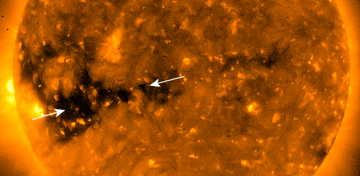
The sun is rotating (once every 27 days) and soon the hole will face Earth, causing a stream of solar wind to sweep past our planet on Sept. 21st or 22nd. High-latitude sky watchers should be alert for auroras. September 2007 Aurora Gallery
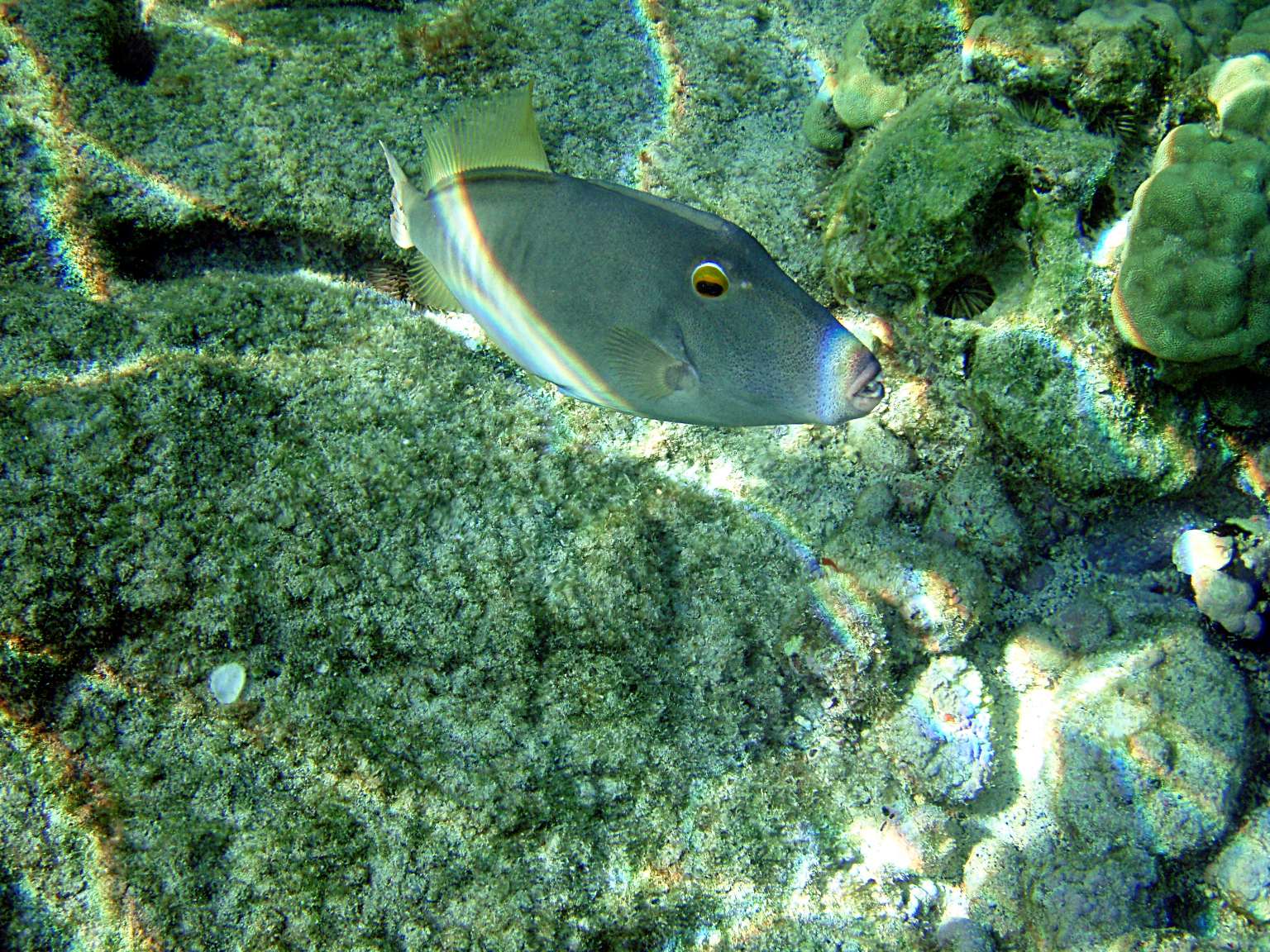
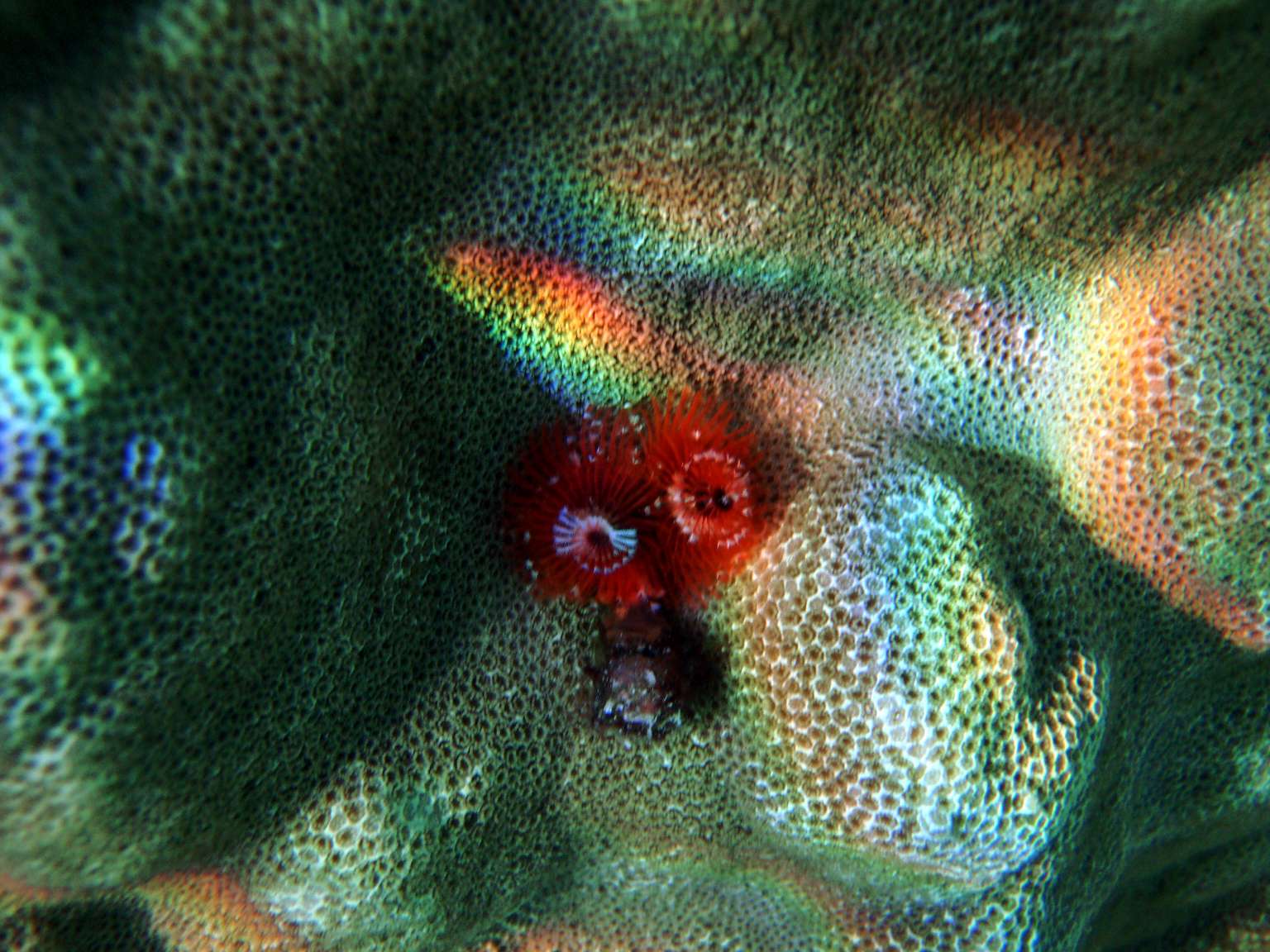
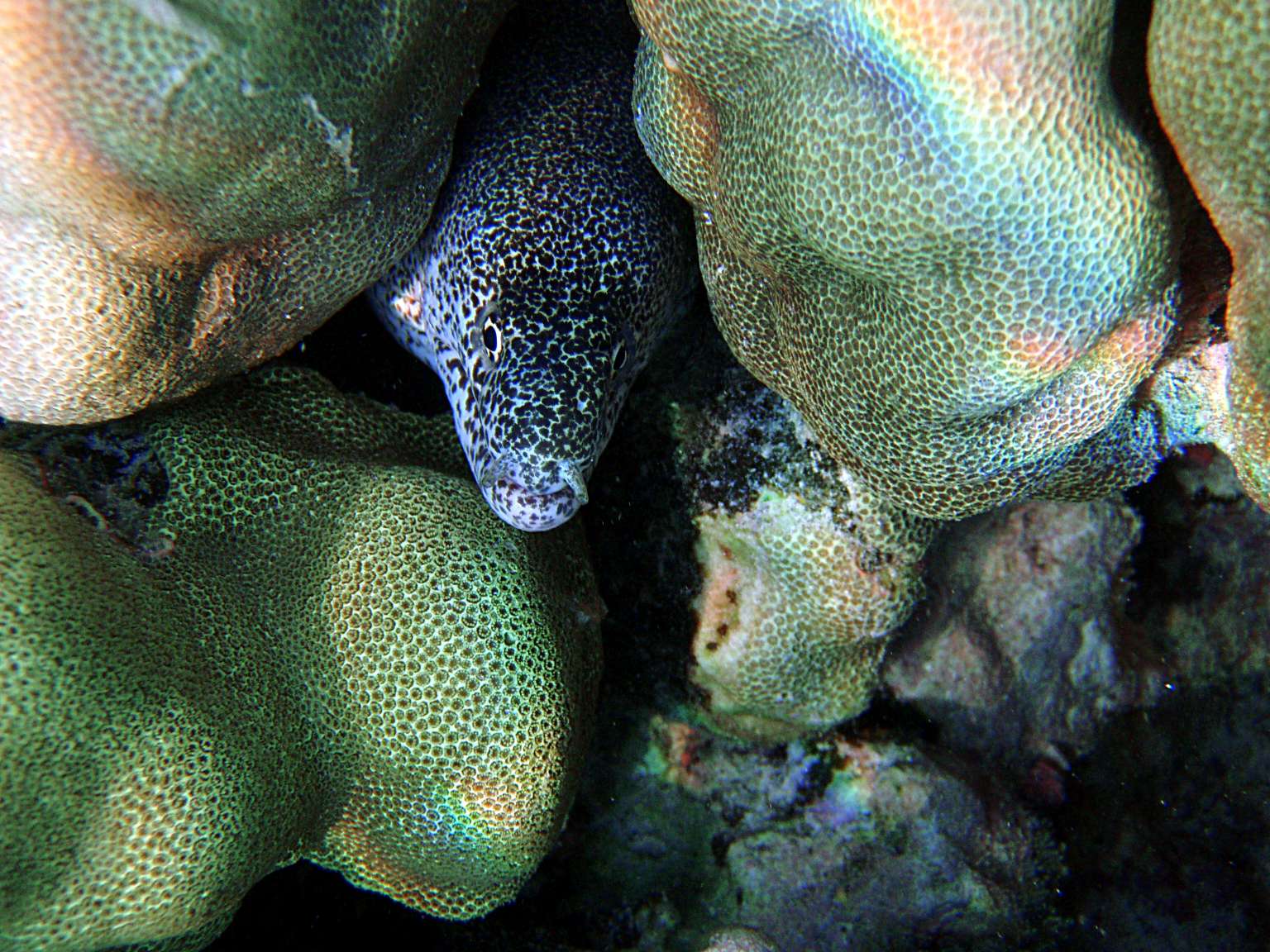
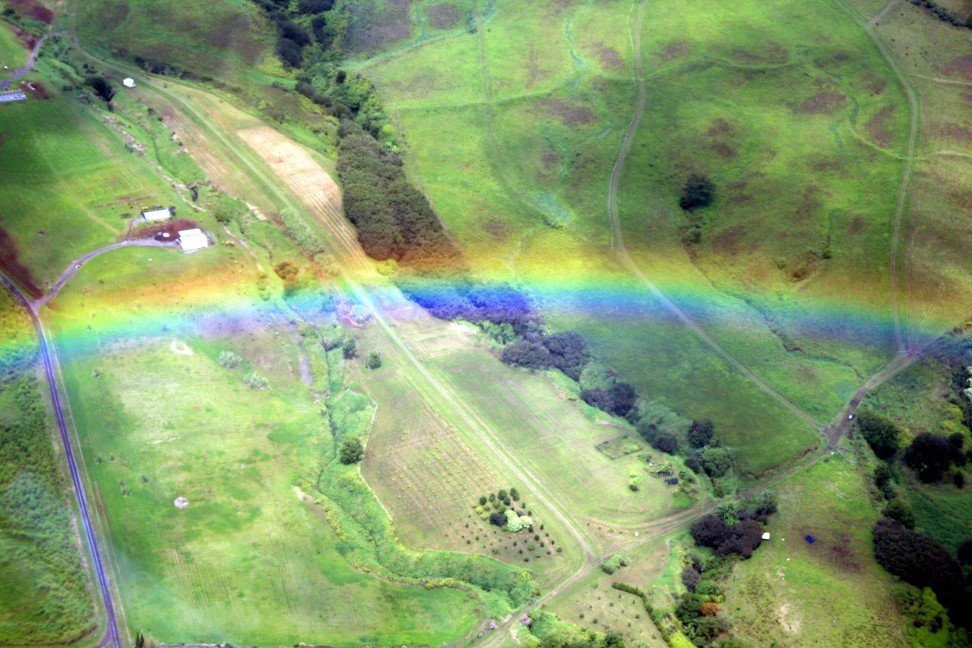
[August 2007 Aurora Gallery] [Aurora Alerts] UNDERWATER RAINBOWS: Is it possible to have a rainbow ... underwater? Snorkeling photographer Mila Zinkova found them everywhere during a recent swim around Kona, Hawaii. "Christmas tree sea worms were surrounded by beautiful bright 'bows and even a mean-looking moray eel was framed by corals and rainbows." But not everything that looks like a rainbow really is. What Mila really photographed were rainbow-colored caustics. (continued below) 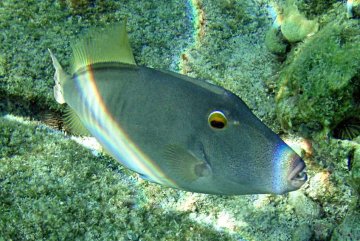
more images: #1, #2, #3, #4
Atmospheric optics expert Les Cowley explains: "Caustics are the bright lines and curves we see criss-crossing the bottom of any sunlit shallow seabed. They are formed by the water's rippling surface, which behaves like a collection of liquid lenses. Light rays passing through the lenses bunch to make the caustics. Lenses bend blue rays more strongly than red and this, combined with interference between the ray paths, makes the colors." "Caustics are everywhere," he adds. "Look for them in swimming pools, your bathtub and even in your coffee cup." |